Backpacking to Car Camping: A Transition Guide
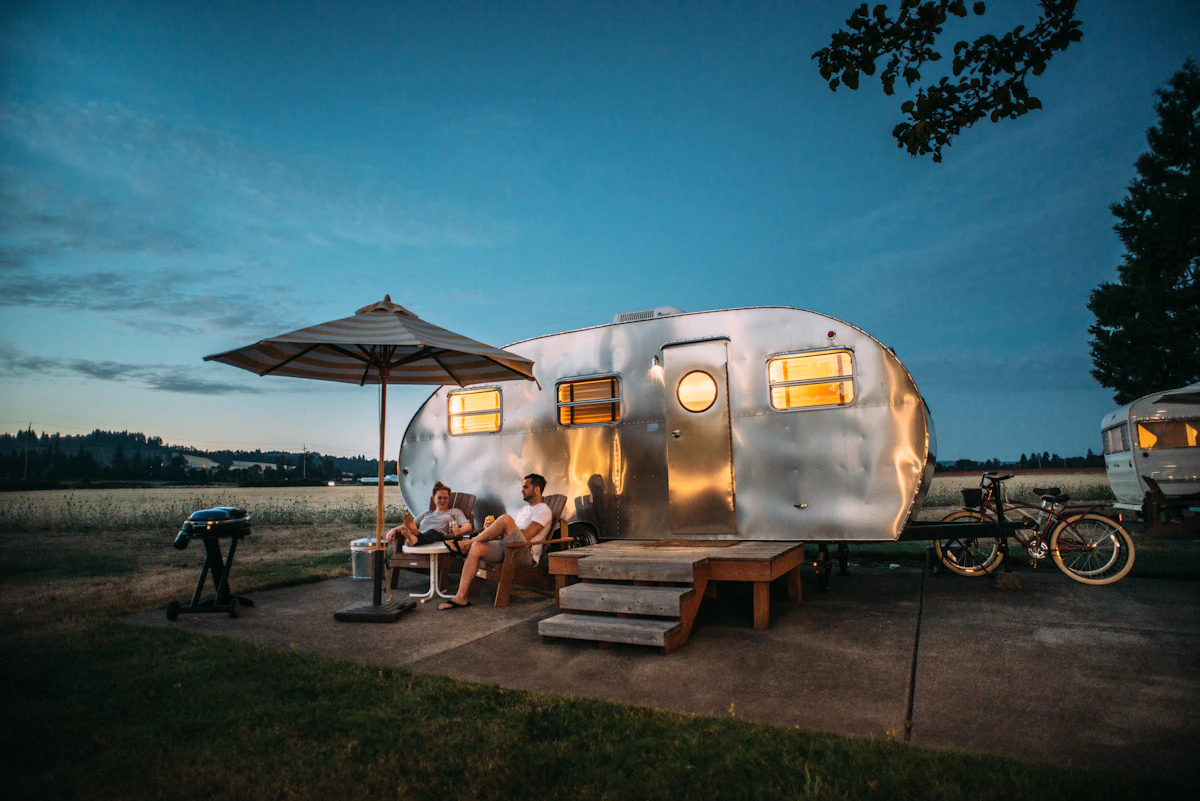
At A Glance: Backpacking to Car Camping
- From isolation to hospitality: I used to hike miles to escape people; now I get paid to bring them together around campfires. The shift snuck up on me over decades.
- Different sport, not a demotion: Car camping excels at shared meals, group comfort, and spontaneous detours. There is zero moral virtue in sleeping on cold granite once you’ve done your time.
- Trade gram-counting for volume control: Weight limits disappear, but trunk chaos will ruin a trip. Pack in rigid, labeled storage totes instead of loose grocery bags.
- The five non-negotiable upgrades: A chair with lumbar support, a dual-burner propane stove, a rotomolded cooler, a thick self-inflating mattress, and stackable trunks.
- Keep your backcountry brain: Weather forecasts, Leave No Trace ethics, and wildlife food protocols matter just as much at a drive-up site as they do on a ridgeline.
Bottom line: I used to camp to get away from people. Now I get paid to bring them together. That change snuck up on me over years, and it changed everything about how I camp. If you are moving from backpacking to car camping, or wondering why the two feel like completely different sports, here is what I have learned from living on both sides of the tree line.
What Backpacking Taught Me
Backpacking is camping at its most honest. Everything you need lives directly on your back, which means you learn fast what you actually require to survive: shelter, sleep insulation, water filtration, calories, and a reliable way to stay dry. The rest is comfort you talked yourself into carrying.
It teaches self-reliance the way nothing else can. Nobody is walking out to bail you out on a ridgeline eight miles from a trailhead. You check the forecast, pack your thermal layers, and make the hard call on whether a swollen river crossing is safe. That mindset never leaves you. I still pack with backcountry habits: check the radar twice, pack rain gear even when the sky is clear blue, and never assume the trip will go according to the brochure.
And the solitude is real. There is a specific quiet you only find miles past the last asphalt turnoff, and it resets your brain. I chased that solitude for years. Getting away from humanity was the entire objective.
What Car Camping Gives You That Backpacking Cannot
Here is what nobody tells the ultralight purist: car camping is not a lazy downgrade. It is an entirely different discipline, and it is flat-out superior at three specific things:
- It is better at community: Backpacking is inherently solo or pairs. Car camping is families, multi-generational groups, and the whole crew gathered around one fire ring. The conversations run longer, the meals are real food instead of rehydrated sodium mush, and the kids can join. My career today is built on what I once drove to the mountains to escape: people gathered together in the woods.
- It is better at comfort: A cold beer from an icy cooler. A sturdy chair with lumbar support. A canvas tent tall enough to stand up in while putting on your jeans. There is zero trophy awarded for suffering once you have paid your dues. I suffered plenty; I have the scars and the stories. Today, I like my spine.
- It is better at spontaneity: See a clear swimming hole on a forest service road? Pull over and swim. Spot a roadside produce stand selling fresh peaches? Buy a bushel. The vehicle gives you flexibility, and flexibility means the weekend can change direction without an emergency bailout plan.
When former backpackers start car camping at our parks, they make two predictable mistakes. First, they assume that because they drove, they can ignore wildlife food rules. They leave open coolers and food bins sitting across the picnic table overnight. Raccoons, skunks, and bears treat a campground cooler like an unlocked buffet. Everything edible must be latched inside your hard-sided vehicle before you turn in.
Second, they forget that campgrounds are shared public neighborhoods. Out in the backcountry, you set your tent wherever you find flat ground. In a developed park, your campsite boundary is strictly defined. Pitch your tent on the designated gravel pad or tent pad—never out on the landscaped lawn or encroaching on the next site's fire buffer.
Making the Transition: Five Rules
If you are stepping off the trails and backing an SUV into a campsite, follow these operational rules:
- Do not pack out of anxiety: The rookie mistake is stuffing your trunk the way an anxious beginner packs a backpack—trying to prepare for every conceivable catastrophe. You do not need four duplicate flashlights, three folding saws, and a survival spade. The car removes weight restrictions, but it should not remove your common sense. Pack for the weekend, not a zombie apocalypse.
- Keep the backcountry habits that matter: Check the NOAA weather radar. Pack waterproof shells. Know where the potable water spigots are. Pack out every scrap of your trash. The car campers who end up miserable are the ones who left their brains in the driveway. Comfort is never an excuse for carelessness.
- Learn the developed campground skills: Backpacking never required you to pick a site off an online reservation map, back into a tight tree-lined slot in the dark, manage 20-amp electrical outlets, or navigate bathhouse etiquette. Those are practical skills you build over time. Dispersed Camping 101 serves as an ideal intermediate bridge if you want drive-up access with backcountry solitude.
- Organize by rigid containers: In a backpack, compression sacks keep everything neat. In a vehicle, loose duffel bags and grocery sacks dissolve into pure chaos within two hours. Digging through an overflowing trunk in the pouring rain to find a headlamp or dry socks is pure misery. Pack in modular, stackable containers.
- Let people in: Backpacking teaches rugged self-sufficiency. Car camping teaches you that self-sufficiency is a handy tool, not a personal identity. The campfire is better with people around it. I watch it happen across our loops every single weekend: total strangers on Friday evening trading tools, firewood, and stories by Sunday morning.
What to Keep, What to Add, What to Leave
The gear changeover is where people waste hundreds of dollars on gadgetry they never use. Here is the honest gear transition from someone who has logged thousands of nights on both sides:
What to Keep:
- Your Technical Layers: Wool base layers, fleece mid-layers, and breathable rain gear work just as well at a picnic table as they do at 9,000 feet. Don't replace high-performance clothing with heavy cotton hoodies that soak up moisture and stay damp all weekend.
- Your First Aid & Navigation Kits: Blister kits, trauma shears, antiseptic, and offline mapping tools are just as essential on forest service roads as on marked footpaths.
- Your Headlamp: A good hands-free LED headlamp remains ten times more useful than an awkward handheld lantern when cooking in the dark.
What to Add (The Quality Upgrades):
- Add the Proper Chair: This is the single biggest quality-of-life jump you will make. Backpackers sit on rocks, damp logs, or thin foam sit-pads. Car campers sit in supportive chairs with high backs and drink holders. Bring a heavy-duty outdoor rocking camp chair that provides true lumbar support. You will spend half your waking campsite hours sitting in it; don't cheap out on a five-dollar folding stool that ruins your posture.
- Add a Real Two-Burner Stove: An ultralight canister stove is great for boiling two cups of water for freeze-dried pouches. A classic two-burner propane camp stove lets you simmer, sauté, and cook real meals in a cast-iron skillet with windscreen protection that holds up against lake breezes.
- Add a High-R-Value Mattress: Your 1-inch ultralight backpacking pad protects you from ground chill, but it does your hips no favors. Upgrade to a plush self-inflating camp mattress with high-density foam. When vehicle space allows, sleeping on four inches of insulated cushioning means waking up without an aching back.
- Add a Hard-Sided Insulated Cooler: The cooler is what separates car camping from backpacking-with-a-car. A rugged heavy-duty insulated camp cooler with freezer-grade rubber gaskets keeps ice frozen, meat at safe temperatures, and milk fresh past day three. Read our guide to food safety and cooler temperature management to keep wildlife out of your supplies.
- Add Latching Storage Bins: Replace loose bags with heavy-duty weatherproof lockable storage trunks. Dedicate one bin to your camp kitchen (stove, fuel, cookware, seasonings) and another to dry goods. When you arrive at camp, stack the bins under the picnic table; when rain starts, latch the lids shut and your gear stays bone dry.
What to Leave Behind:
- Leave the Gram-Scale Anxiety: You don't need to saw the handle off your toothbrush or weigh your tent stakes on a kitchen scale. Bring the heavier wool blanket, the full-size pillow from your bed, and the cast-iron skillet. The car carries the load.
- Leave the Trail Snobbery: This is free, and it is the most critical advice on this page. Nobody cares that you hiked fifty miles through the high country. The family in the pop-up camper with the patio rug and festive string lights is having just as much fun as you did on that windy ridgeline. Probably more—because they have comfortable chairs, hot coffee, and dry socks.
The Core Car Camping Transition Kit
- GCI Outdoor Freestyle Rocker Camp Chair – Heavy-duty frame, smooth spring rocking action, and built-in cup holder for genuine campsite comfort.
- Coleman Classic 2-Burner Propane Stove – Time-tested 20,000 BTU camp stove with wind-blocking shields for full-meal campsite cooking.
- Ultra-Thick Self-Inflating Camp Sleeping Pad – High-density foam mattress that eliminates rocks and cold ground transfer.
- Coleman 316 Series Insulated Heavy-Duty Cooler – Multi-day ice retention with heavy-duty lid and recessed drain plug for fresh food preservation.
- Plano Heavy-Duty Weatherproof Storage Trunk – Impact-resistant, lockable latching tote that keeps your camp kitchen organized and moisture-free.
The Host's Final Word
I still carry huge respect for backpacking; it forged my resilience and taught me how to read wilderness weather. But I do not miss the loneliness or the aching joints. Somewhere along the trail, the guy who hiked miles to hide from the world became the guy who builds welcoming campgrounds for families to share. The woods are big enough for both versions of you. Bring the good chair, organize your bins, and enjoy the fire with good company.
Questions about camp setups or transition gear? Reach out directly to camphostcentral@yahoo.com.
More Campsite Setup & Basecamp Guides:
Essential Gear Upgrades Worth the Money |
Dispersed Camping 101: Off-Grid Setup |
Camping in the Rain: Managing Dampness |
Food Safety & Wildlife Spoilage Defense


Comments
Post a Comment